For one day in late May
I stayed in a primitive remote cabin in western New Mexico with my friend and 3 strangers. We were there to experience an art installation called The Lightning Field.
The Lightning Field is a work of “Land Art” created in 1977. It was new to me when I was invited to visit, but I learned that Land Art was a thing in the 70s. The Lightning Field is described as a mile long and a kilometer wide* swath of land with 400 stainless steel lightning rods, evenly spaced and all at the exact same height. That description is very literal, there is much more to it than 400 steel poles.
* I’m slightly put-off by their mixing of miles and kilometers!
The art installation is limited to just 6 visitors a day (quick math says that in the last 48 years only slightly more than 105,000 people have ever visited!) It is isolated in a high desert plateau where the art foundation that manages the installation has either bought up land around it, or has agreements with neighbors not to build.
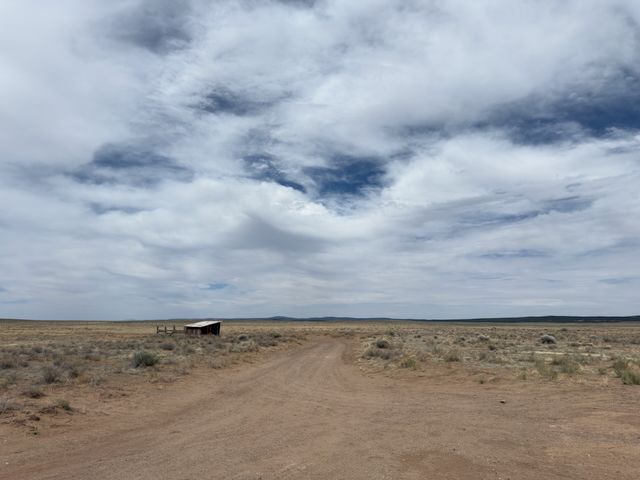
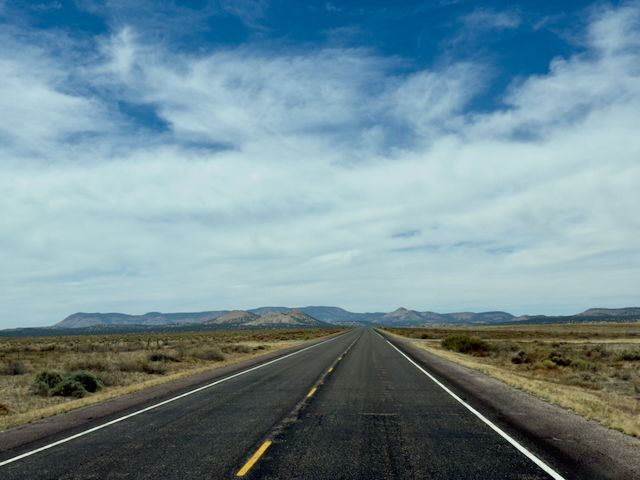
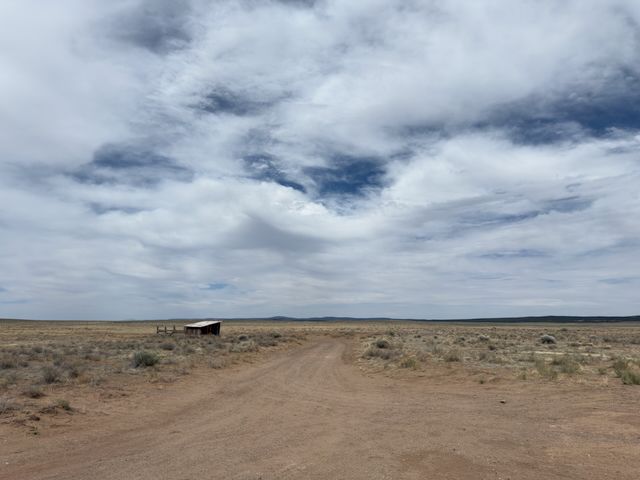
Everything about visiting the field is an ordeal. Just getting tickets is a lottery that opens and fills up in one day. Ticket dates are semi-random; dates can be requested but requests may or may not be honored. On the day of the visit we meet at an office maintained by the Dia foundation, where we are shuttled 45 minutes out to the location. About half the drive was on back-country dirt roads.
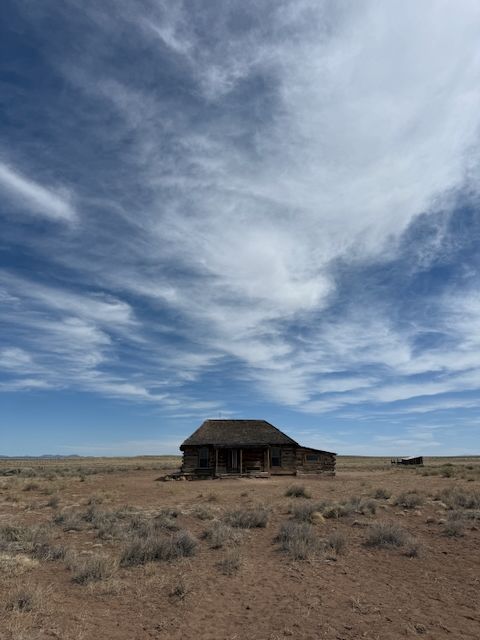
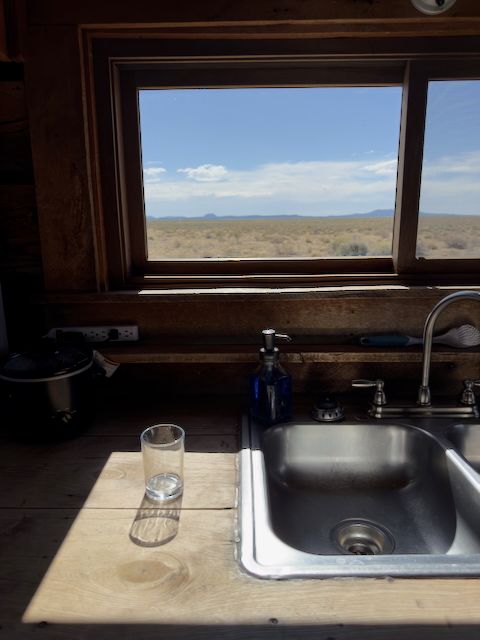
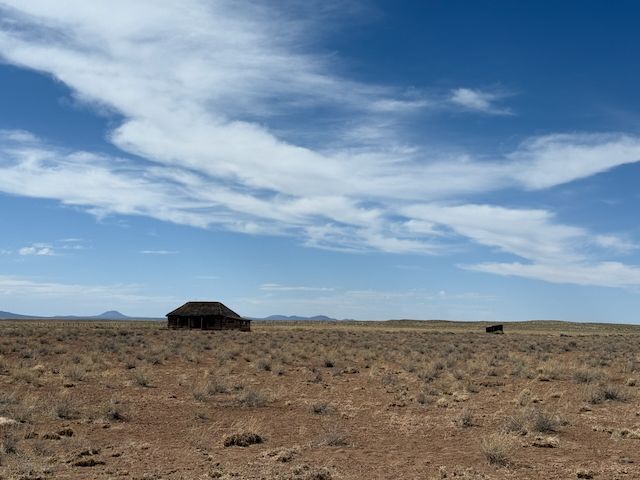
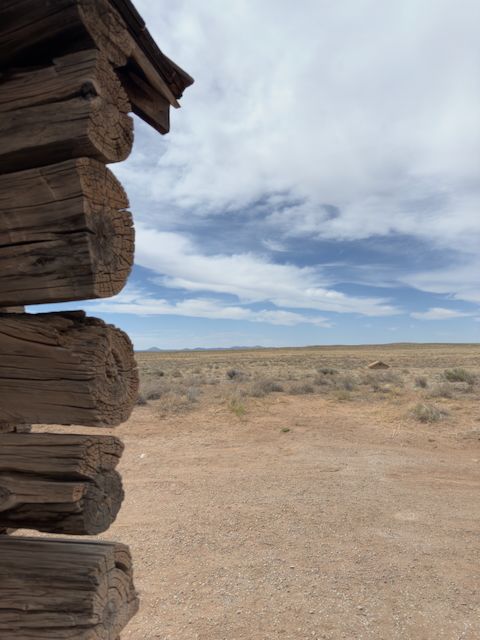
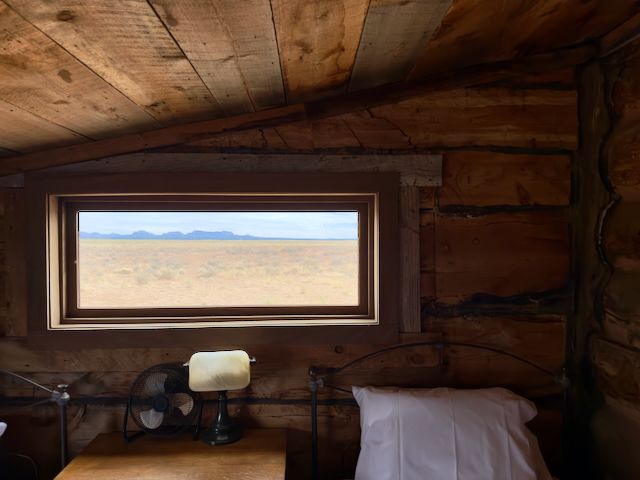
At the destination there’s an old, primitive log cabin at the edge of the lightning field where we stayed. There’s food in a refrigerator for us to prepare, beds and showers too. Lots of small details are covered; there are blankets to take outside if it’s chilly at night, sunscreen and bug spray, snacks, and even a small furnace. There are table fans, but I have to imagine the place is uncomfortable in the dead of summer, and flatly uninhabitable in the winter. The caretaker shows us around, and before he leaves he tells us two rules: do not touch the poles, and no photos. He then caveats that obviously he can’t stop us from taking pictures, but asks that we do not share or post them online. This is the artist’s request from all the way back in ’77. He was ahead of his time in saying “put down your phone and be in the moment!” before it was cool.
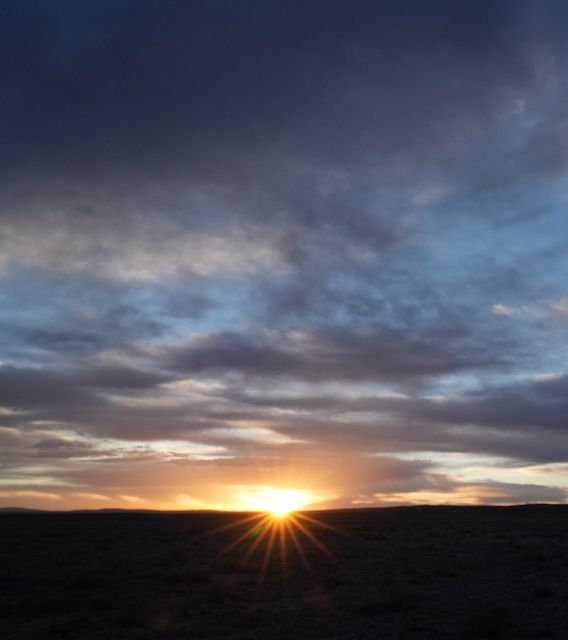
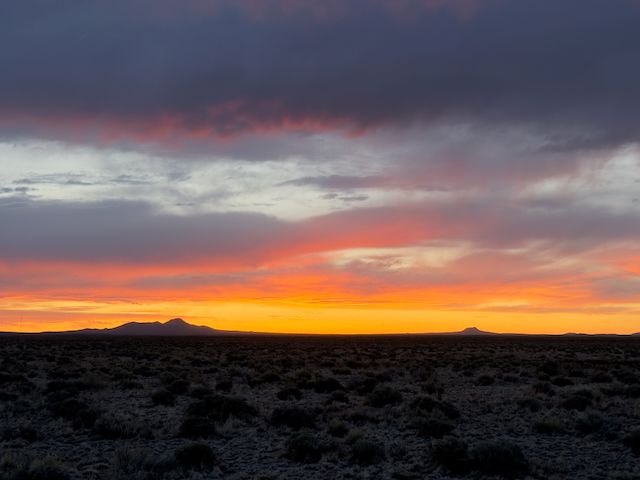
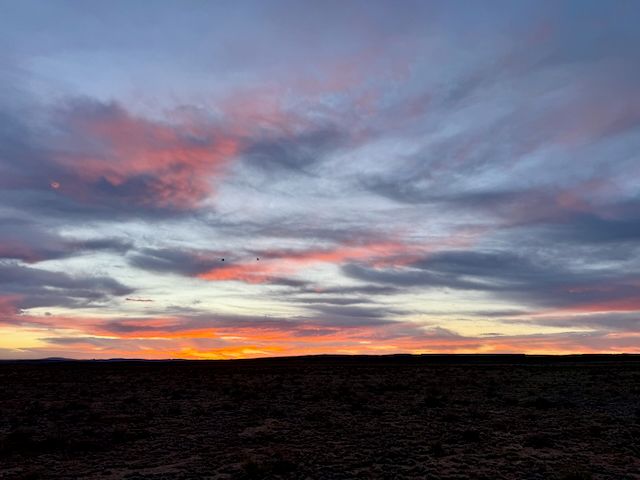
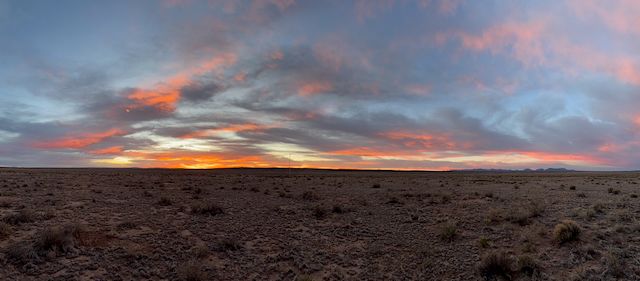
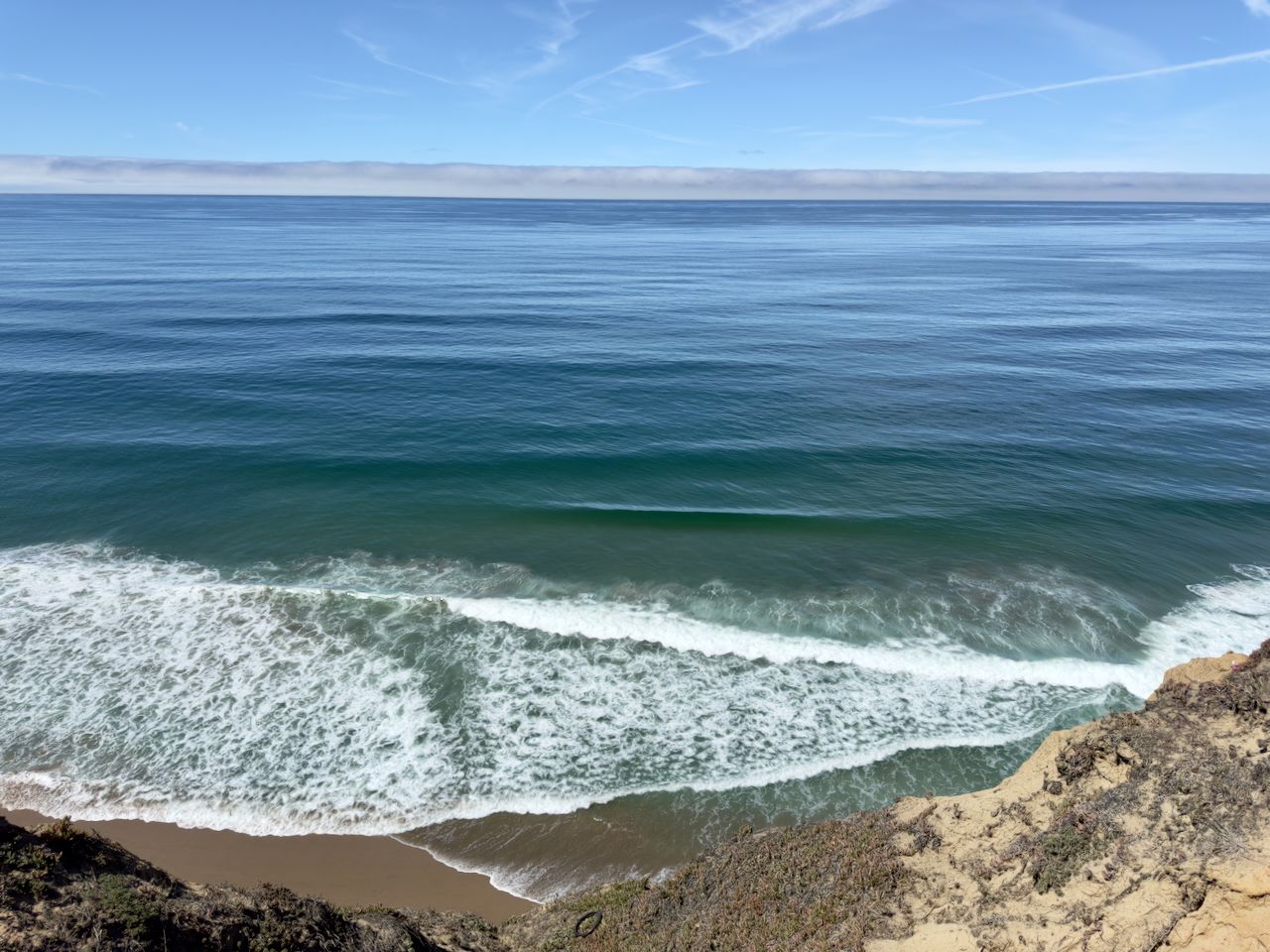
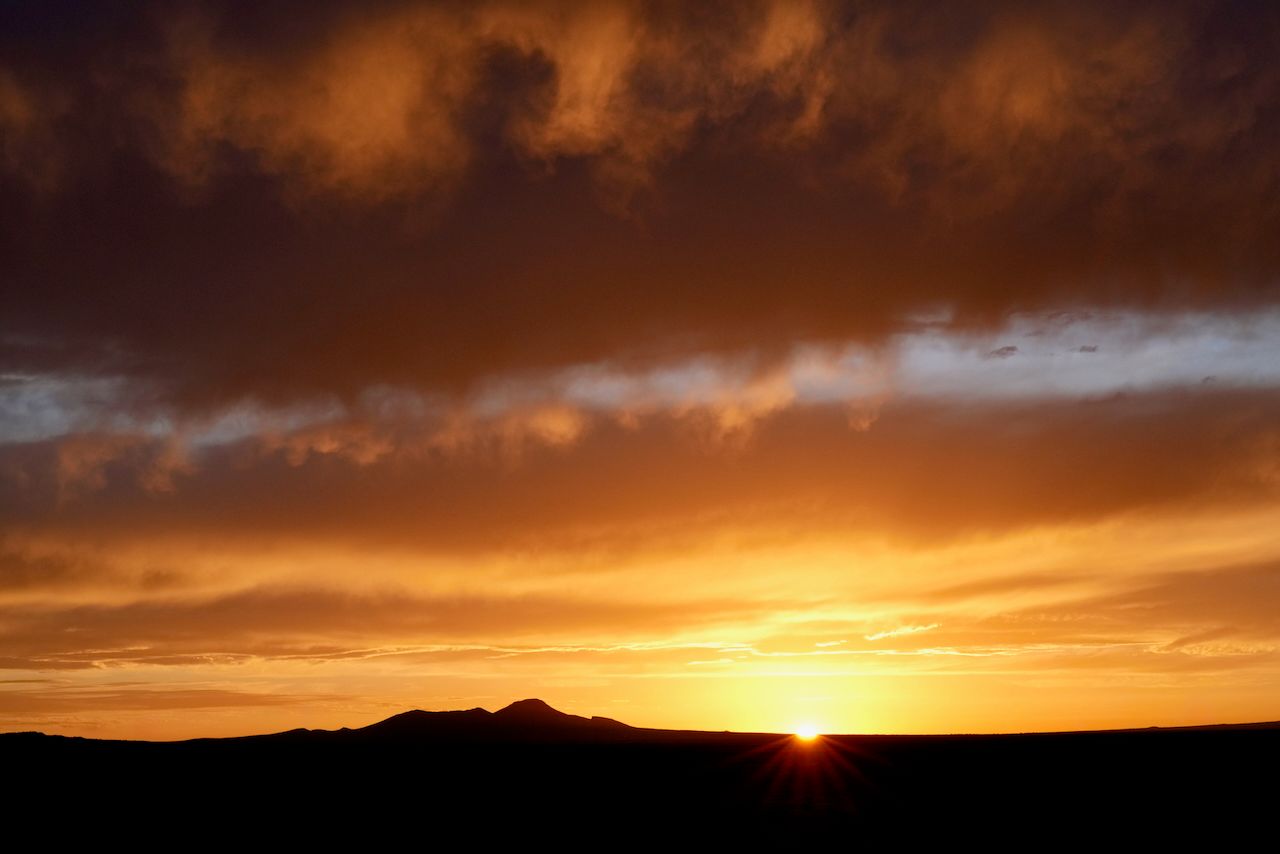
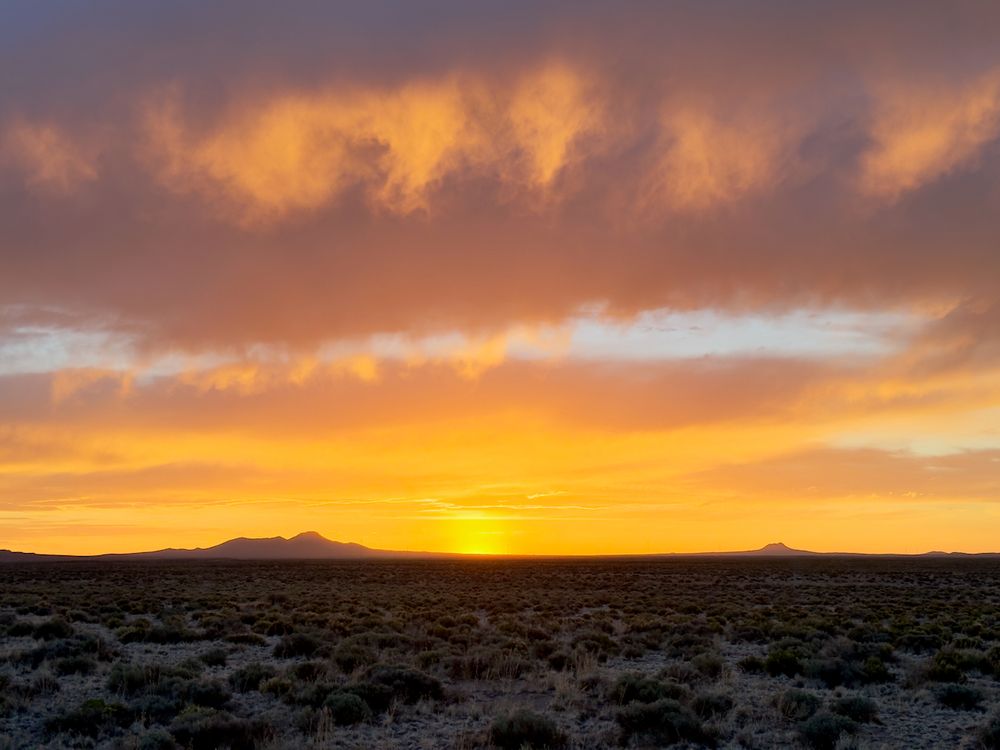
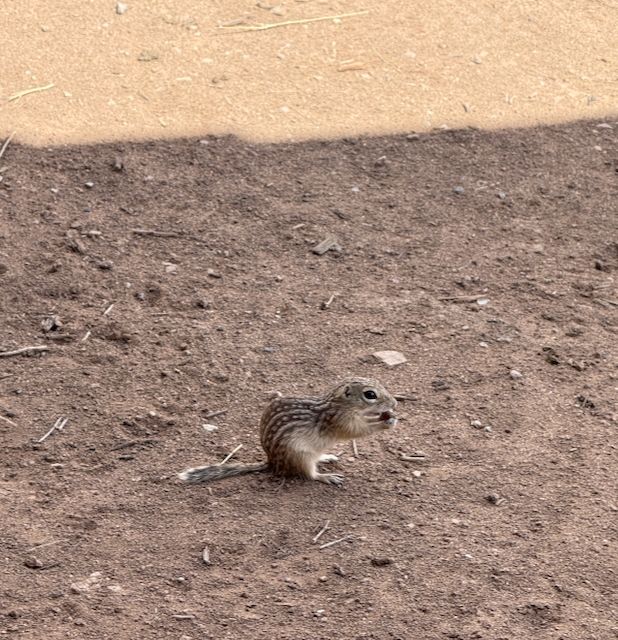
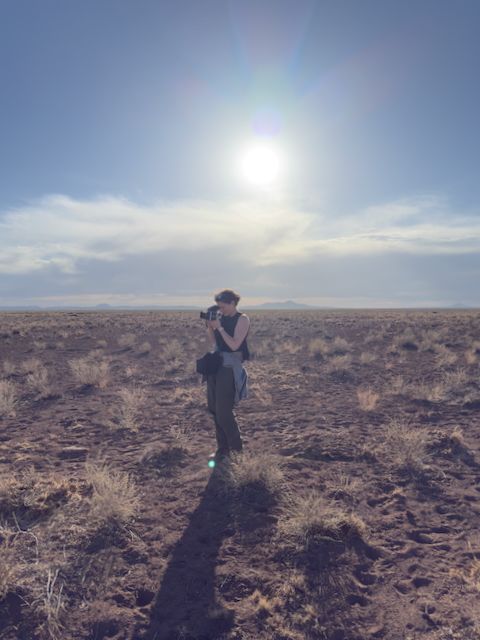
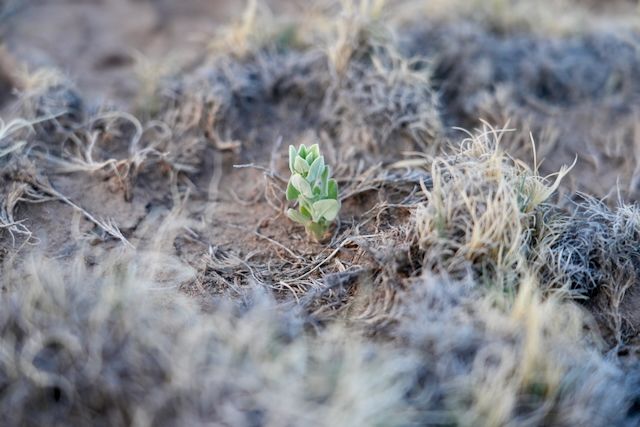
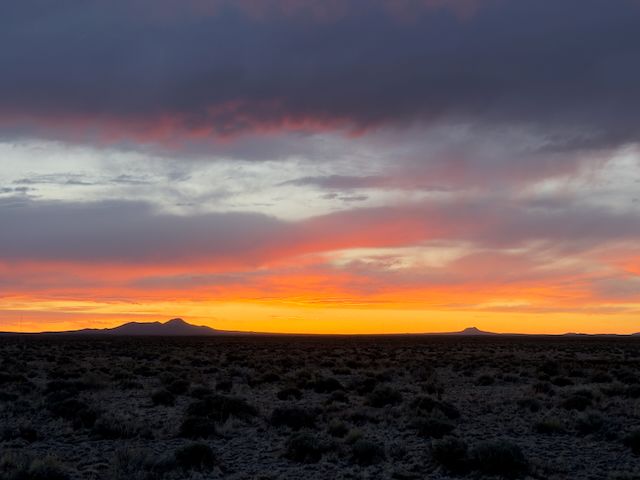
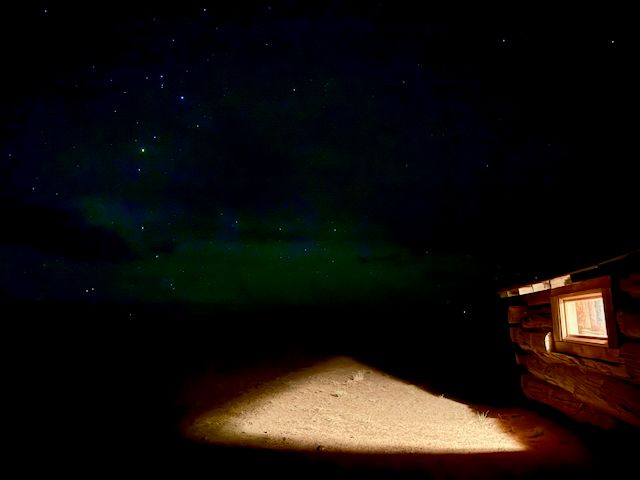
I’m going to respect the request not to post photos of the lightning field, though I will share pics of the area around it.
The caretaker departed and we are left with one another in the middle of nowhere. No transportation, minimal cell reception. We are alone.
The Field is at a high elevation and even though it’s New Mexico in May, the weather is mild. The sun is harsh but the temperature drops as the sun sets.
We all set out to walk among the lightning rods.
The whole thing is more than just art to be seen. It is a broader and bigger thing meant to be experienced. The plateau is utterly devoid of any human touch except for the cabin and the lightning rods. The precision of the lightning rod placement is itself a marvel, a perfect arrangement of precisely machined steel in an otherwise unmarred wilderness.
The location is so desolate that at night there isn't a hint of light pollution and the sky glistens with stars.
The vastness of the field and the isolation of the location are not the only expansive elements, time is also drawn out. We were dropped off at 3pm and picked up the next day at 11am. For 20 hours we were alone in this solitude. One major aspect of the art is that it is primarily visually interesting only at dawn and dusk. It is an exercise in patience and setting expectations that we spend 20 hours there for 30 minutes of interesting light - 15 in the evening and another 15 in the morning. And even then it’s weather dependent.
On the day I was there it was fairly cloudy at both dusk and dawn. Clouds make for majestic sunsets but are not great for golden hour light on the art. At both dusk and dawn we were fortunate to have timely breaks in the cloud at the just the right moment to see the poles glow pink and gold in the sunlight.
[Continued]
At this point you’re probably wondering
if there was any lightning at the lightning field.
Unfortunately not. Despite the installation’s electric title there’s not actually much lighting in that area. Yet another exercise in patience and expectation.
The location was chosen because it met the artist's criteria for being level, remote, and available. Despite the intention to create a lightning field, it seemed as though weather and lightning strikes didn’t factor into the decision.
Being fortunate enough to get good light in both the evening in the morning, I had the chance to reflect on the experience from both sides. For me the experience was notably different at sunset and sunrise.
At sunset I roamed the field with my friend, taking film photos that nobody else will ever see. I felt an overwhelming sense of gratitude and friendship for being invited to join her and share in this novel experience.
At sunrise I was the first one up and out of the cabin. For a brief moment I thought I might be the only one who actually got up! Weighing the irony as the only person who didn’t make a specific intention to be there being the one who got up to see the sunrise. Turns out I was a little too full of myself and everyone else did get up and out before the sun peeked out from behind the mountains.
In contrast to the sense of bonding from the night before, I felt a deep sense of solitude in the morning. My mood most likely colored by poor sleep and early rise. But also by being alone in the field, everyone else wandering about on their own far off in the distance.
I willed myself to move past the forlorn feeling and set an intention to bask in the experience - The golden glow on the field and the poles, along with the cotton-candy pink clouds of a magnificent sunrise was something I didn’t want to squander.
After golden-hour (actually, golden 15 minutes) passed, I hung out for a little while longer and then made my way back to the cabin. I joined the other guests around the wood stove and we all chatted. About our experience in the Field, the night sky, and a little about ourselves. After a bit I excused myself to cook breakfast for the cabin. (I enjoy making breakfast, and make great scrambled eggs, if I do say so myself.)
Precisely at 11 the caretaker was back to pick us up.
Since getting back from the cabin on Sunday I’ve been pondering how to share the experience.
It was great, but also wasn’t as magnificent as I thought it might be.
I’ve been struggling with how to describe a thing that was: different, interesting, solitary, and kinda cool but also not quite transcendent.
While I was at the field walking among the lightning poles I was also wondering if I’m not sophisticated enough to “get it.”
What I settled on in the days since is that the experience and the art is whatever you choose to make of it.
It could be lame; a field full of metal poles. Woo.
Or it could be an genuine experience of solitude, art, intention, patience, and a little luck.
I think many years ago I was more cynical and would have felt the former.
Now I think I’m a bit more whimsical and understood how to experience the latter.